01 / WEB APPLICATION
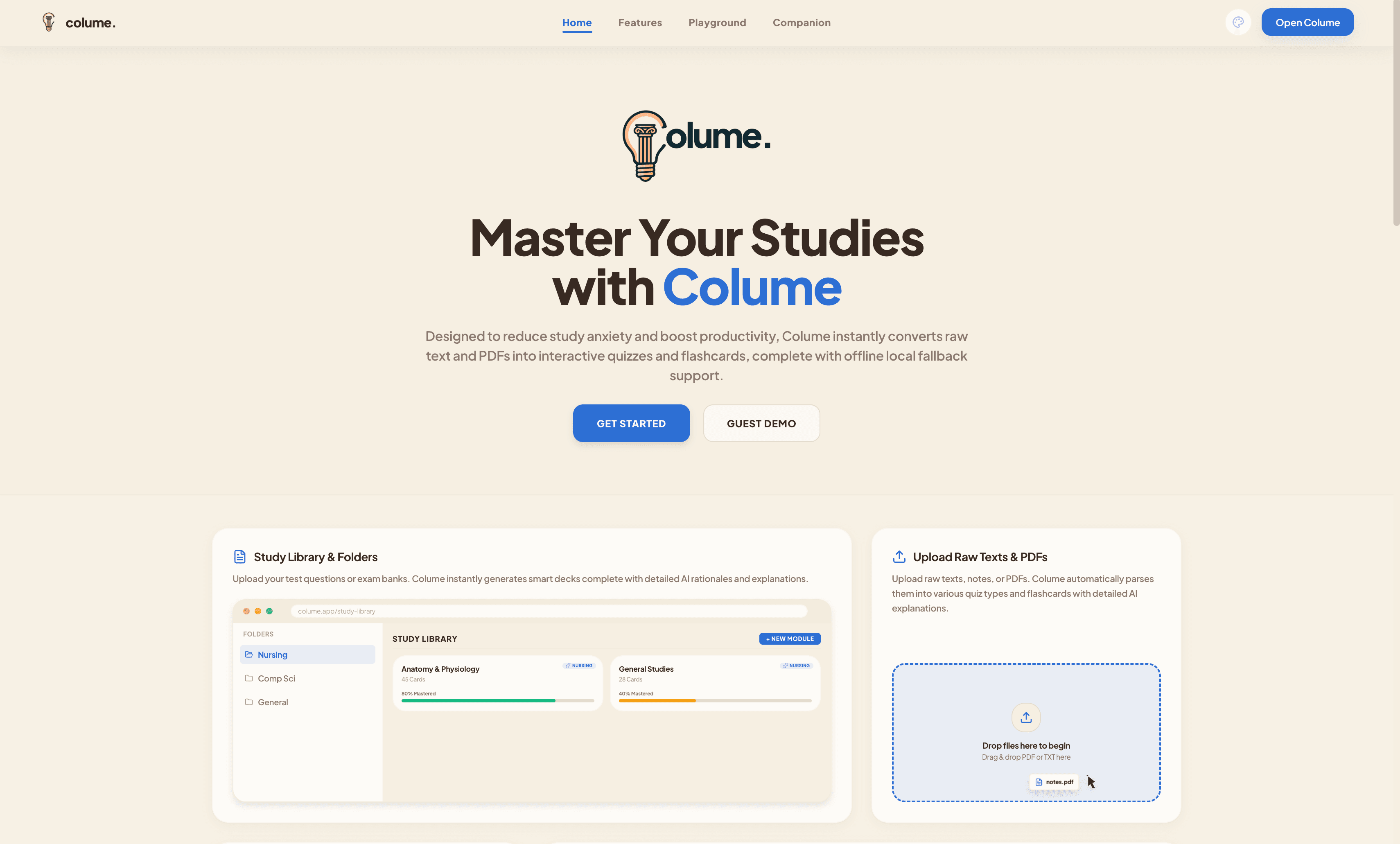
Colume
A study app that instantly turns your notes and PDFs into quizzes and flashcards, featuring a virtual pet that levels up as you keep up your daily study streaks.
A showcase of product builds, responsive web applications, design systems, and developer tools.
A study app that instantly turns your notes and PDFs into quizzes and flashcards, featuring a virtual pet that levels up as you keep up your daily study streaks.

Lung auscultation remains highly subjective, with pulmonologists averaging only 36.5% correct detection rates. This study proposes a dual-channel CNN-LSTM architecture with a constrained MFCC-Chroma gated fusion mechanism for multi-class respiratory sound classification. HINGA V1, the first localized Filipino lung sound dataset, was collected from 51 patients across four Baguio City institutions and combined with the ICBHI 2017 benchmark. The model achieved a macro F1 of 0.4056 across six disease classes on unseen data, with the fusion mechanism consistently favoring MFCC-derived temporal features, supporting a viable path toward a clinically relevant auscultation tool for the Philippine healthcare setting.
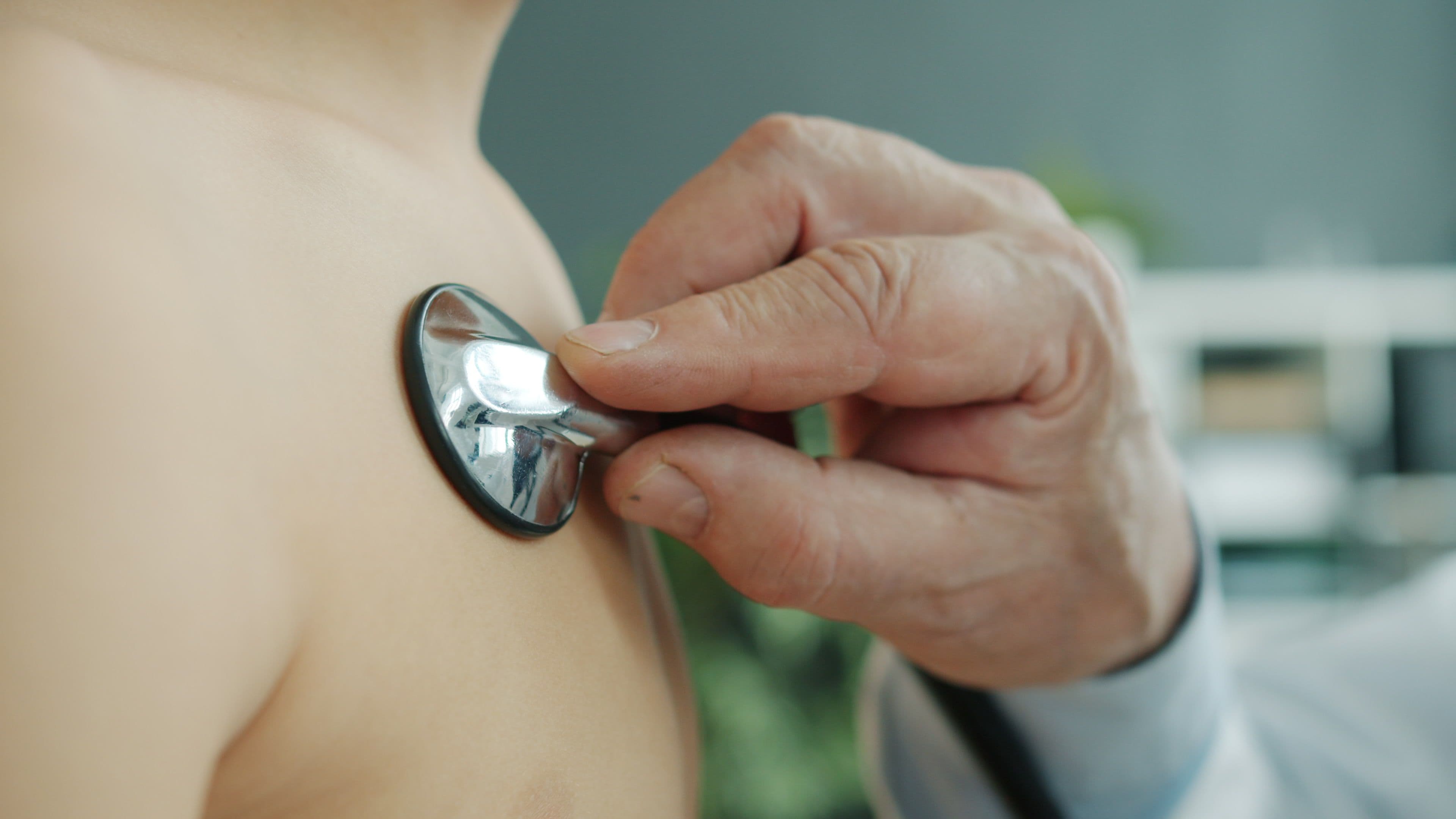
Auscultation-based lung disease detection remains subjective and inconsistent. This study proposes two complementary approaches: a dual-channel CNN-LSTM using MFCC-Chroma fusion, and a Random Forest model incorporating patient demographic data, both evaluated on the ICBHI 2017 dataset. The CNN-LSTM models reached up to 80% accuracy, while demographic features also proved valuable for classification, offering competitive performance in accuracy, robustness, and class-wise fairness compared to prior work in the field.

This study develops a Finite State Accepter that validates Philippine vehicle and motorcycle plate numbers against the LTO's current formats (LLL DDDD, L DDD LL, DDD LLL). A consolidated automaton was built and implemented as a program, then tested against 100 valid and 50 invalid plate numbers. All valid plates were correctly accepted and all invalid plates correctly rejected, demonstrating the framework's reliability for automated plate validation.
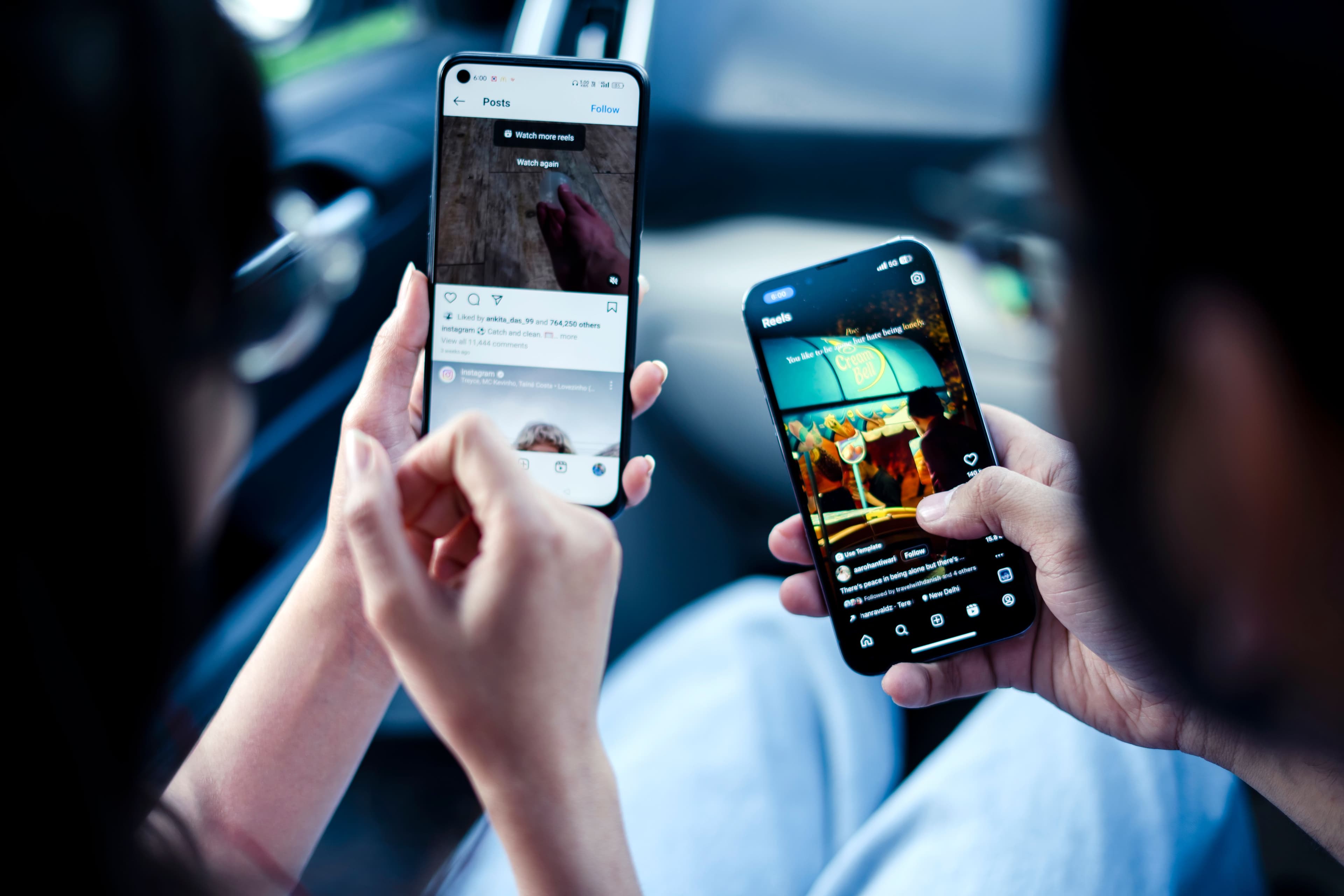
This study investigates the usability of facial recognition biometrics on iOS and Android among Computer Science students, using IBM's Post-Study System Usability Questionnaire (PSSUQ) alongside open-ended feedback on desired improvements. Results show high perceived usability satisfaction on both platforms, with a statistically significant difference in overall PSSUQ score, System Usefulness, and Interface Quality between iOS and Android users.
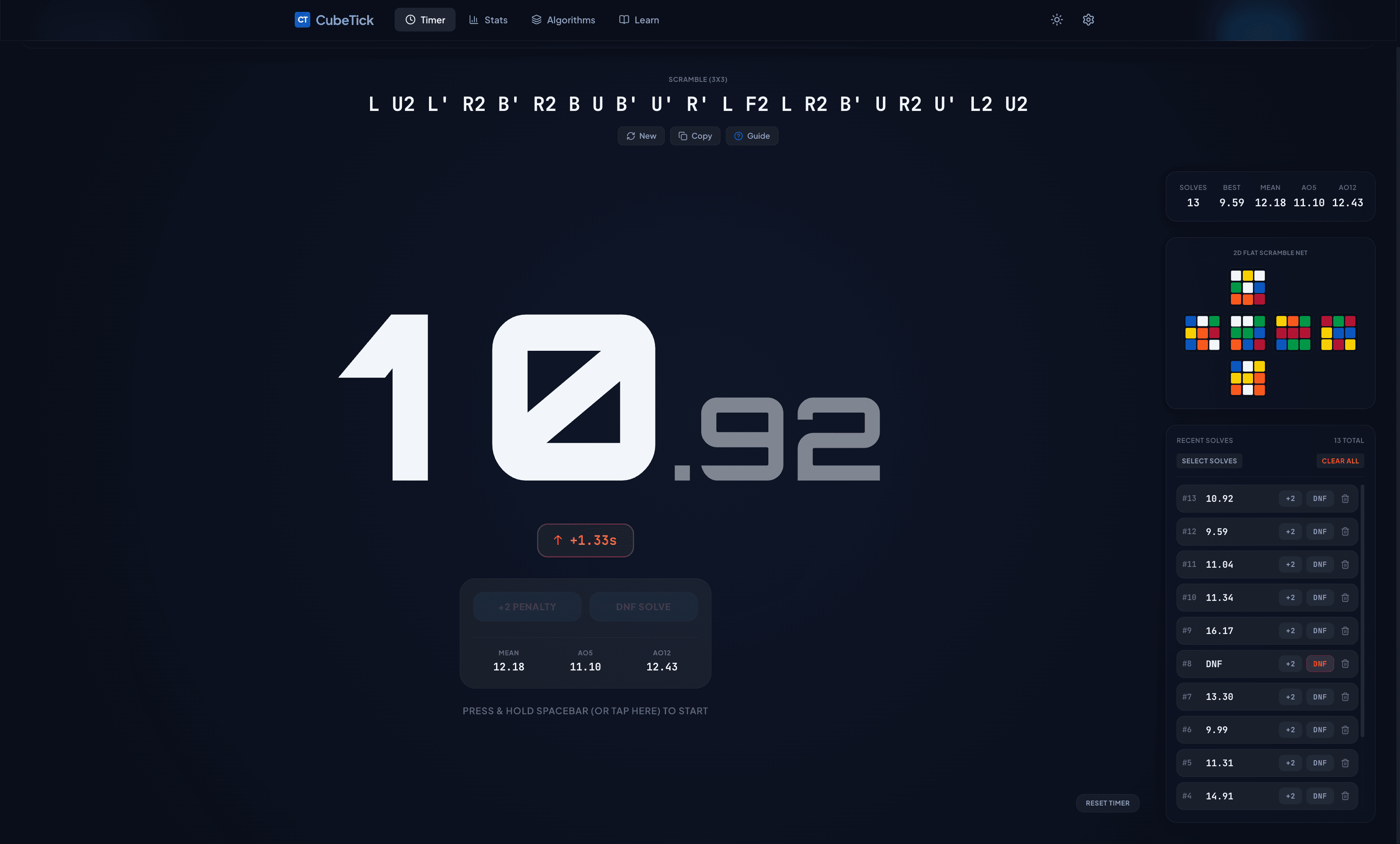
A speedcubing timer and learning platform for tracking solves, analyzing times, and improving technique. Built fully client-side with no backend.